
Pickleball proves to be a vibe-winning ace on and off the court in Westminster and Roseville
Guest article by Jackie Krentzman, freelance writer and editor
 On a typical day in Westminster, Sigler Park is buzzing with activity. Kids squeal with delight on the newly renovated playground, families are picnicking, and the handball courts are full.
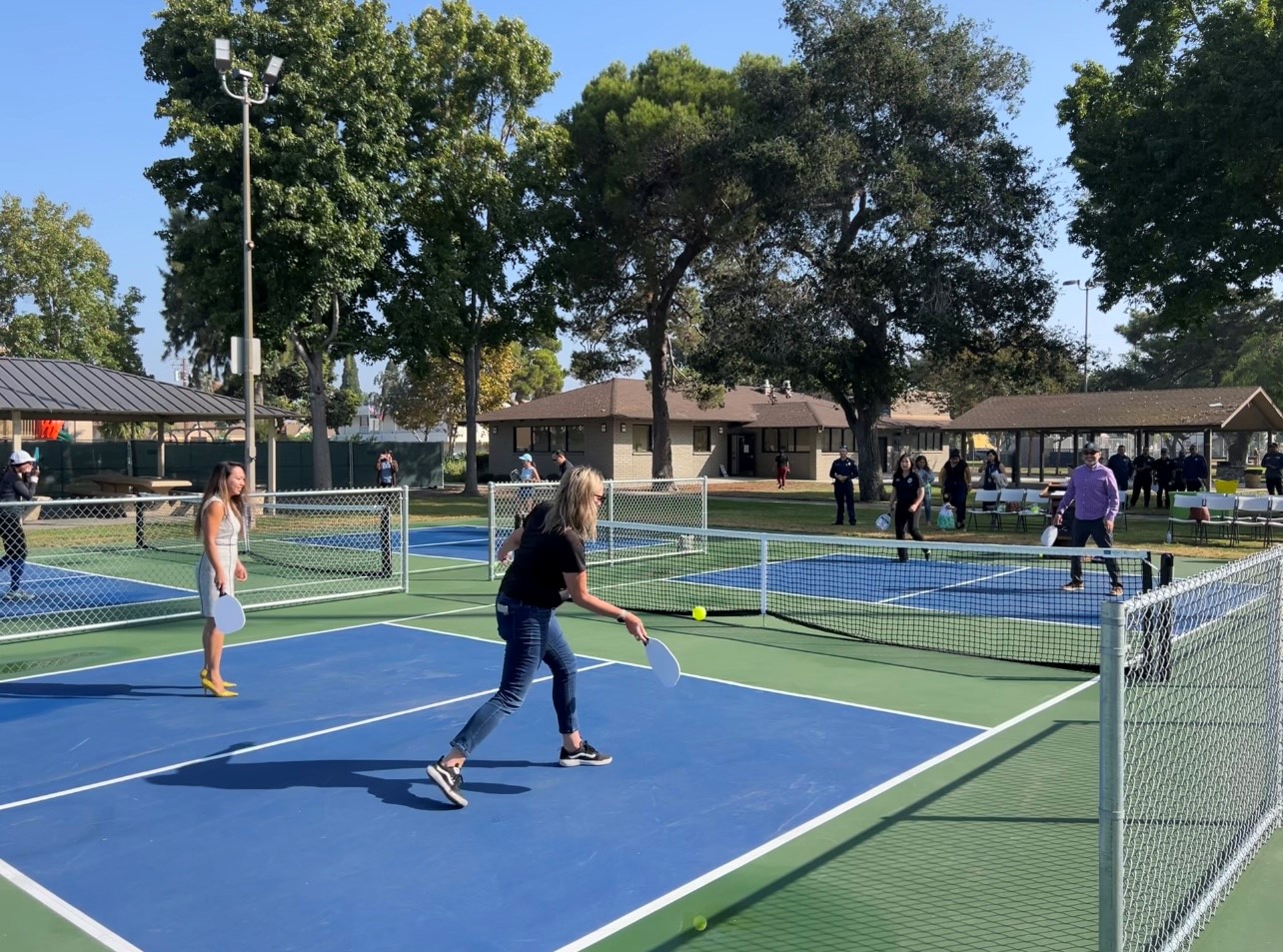 But the center of gravity is three pickleball courts, packed from morning to night with a steady stream of residents thrilled by the newest game in town.
Ask almost any park official and they’ll tell you this decades-old sport has taken off in the last 10 years — especially the last two. Pickleball, a combination of tennis, ping pong, and badminton, is played on a court the size of a badminton court with modified paddles and small whiffle balls. Pickleball clubs have sprung up from coast to coast, as the highly social game, usually played in doubles, gives players plenty of opportunities to chat.
At Sigler, pickleball players often arrive early to wait for a court and socialize. There are usually at least 40 people playing or waiting for their turn. Many stay to watch other matches before they head out for a meal together.
“With the onset of COVID-19, the city realized it needed to enhance the quality of life through the parks and recreation,” said City Manager Christine Cordon of her city of 90,000 in Orange County. “We began to focus more on active living, and pickleball is a big part of that.”
The game is particularly popular among seniors, as it is easy to learn and can accommodate all fitness and skill levels. But it is not just the over-50 crowd on the courts — many youth and young adults play regularly as well.
“Westminster does not have a lot of green space and places for outdoor activities, so adding the courts has an outsized impact on the community’s access to fitness,” said Christine Hernandez, a member of the Parks and Recreation Commission.
City officials also credit pickleball with building community, as players from this largely Asian and Latino city intermingle on and around the courts.
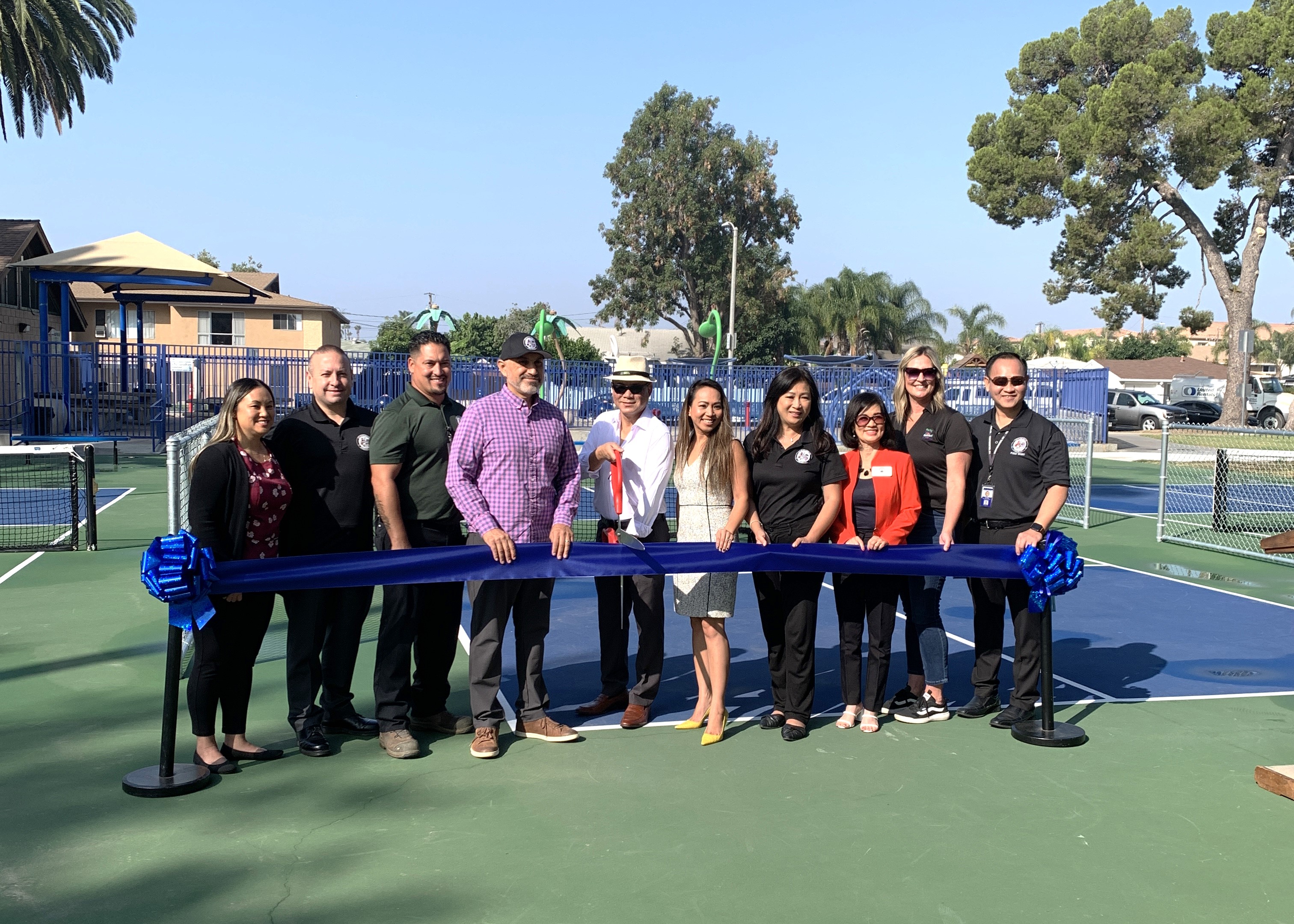
In Westminster, pickleball has another benefit, say city officials: It helped make Sigler Park safer. The park is in one of the city’s underserved neighborhoods and was historically a focus of gang activity. In more recent years, it has been the home of a large, unhoused population. But the day and night presence of pickleballers, combined with the new playground attracting more families, has changed the community, says Director of Community Services and Recreation Vanessa Johnson.
“Bringing pickleball to the park has revitalized the surrounding neighborhood and really changed the vibe,” she said. “We have new people spending time at the park for the first time to play, and the energy is so positive. Calls for service from our police department have been reduced.”
Hernandez lives nearby and says she finally feels safe taking her daughter to the park.
“Before, I didn’t feel comfortable taking her to soccer classes, but now, with the courts and the playground in use all the time, the whole park feels different,” she said.
With the success of the Sigler courts, Westminster is in the early stages of planning to build more at some of the other 25 parks in the city.
“It is part of our master plan,” said Jake Ngo, the city’s public works director. “There is so much interest, in particular because of the success at Sigler. People are coming to city council meetings asking when we are going to build more.”
A pickleball mecca predicts another pickleball surge
Four hundred miles north, Roseville has been all in on pickleball for years. The city of 159,000 has 19 courts and is building more. In early 2024, it opened its flagship pickleball complex, nine lighted courts at Gibson Park, with a shaded spectator area and new walking paths. The private Johnson Ranch Sports Club has 28 more courts.
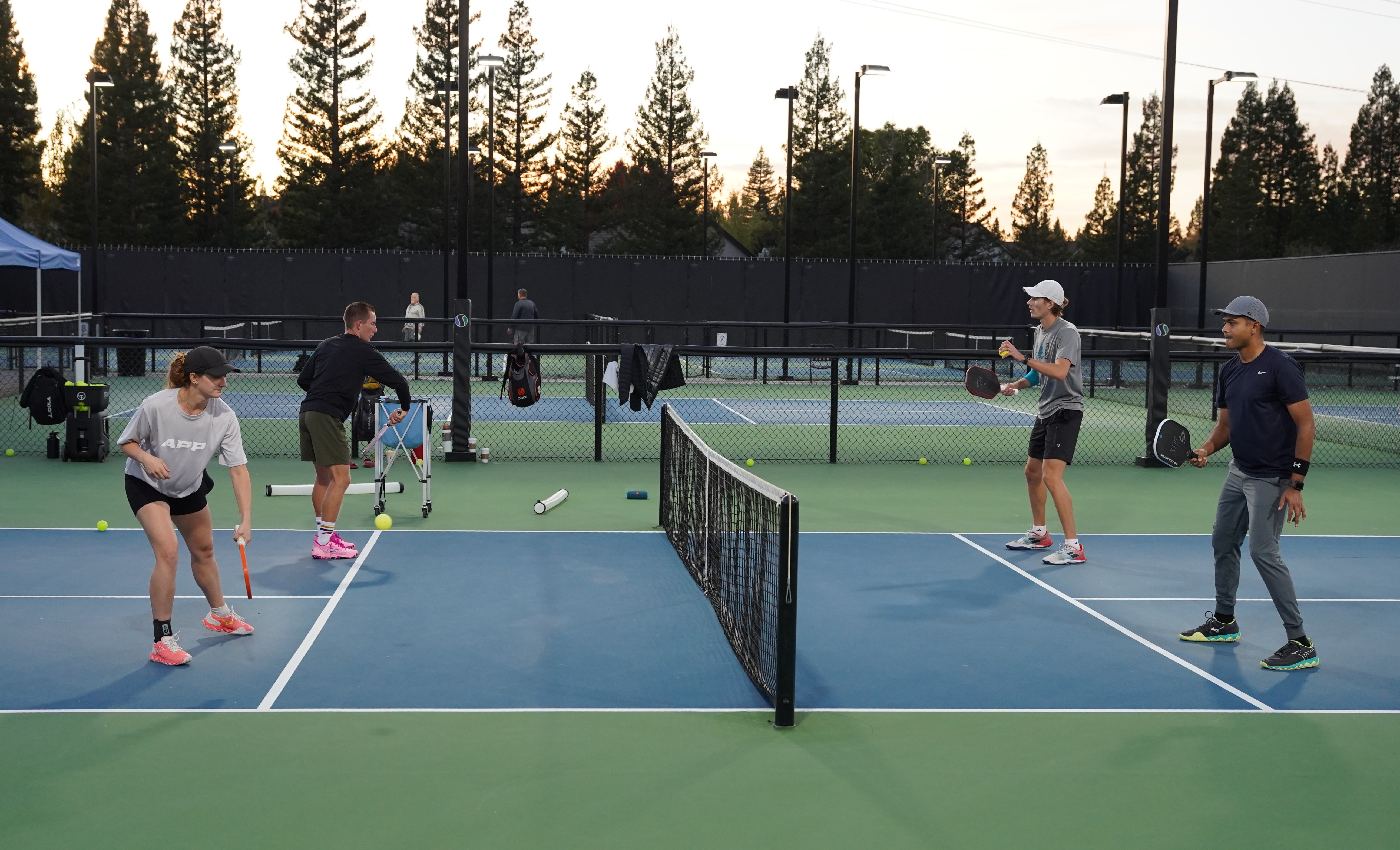
“It doesn’t matter if it is 100 degrees or 50 degrees, people start playing at 7 a.m. until lights go off at 10 p.m.,” said Recreation Manager Jeff Nereson. “We are always getting calls from the community asking us when we are building more.”
The city was intentional when it began developing new pickleball courts and repurposing existing courts. In response to community concerns about noise, some neighborhood courts do not have lights, so players must finish at dusk. At the new Gibson Park courts, the city used acoustical fabric and added berms with trees planted on top as noise-dampening techniques to divide the courts and the nearest homes.
“People still do hear the ball, but we’ve had no complaints,” said Park Planning & Development Manager Tara Gee. “Sometimes people play amplified music, but we dissuade that and usually it works.”
To keep up with the demand for court time, the city has developed a series of guidelines, such as limiting a group’s time on the court to one hour and encouraging doubles to free up time during the day for more pickleball players.
“Pickleballers play longer [than tennis players], and it is such a social sport, they tend to monopolize courts, which is frustrating for tennis players. This is one reason why we don’t build dual-use [tennis and pickleball] courts that are shared between the two sports,” said Gee.
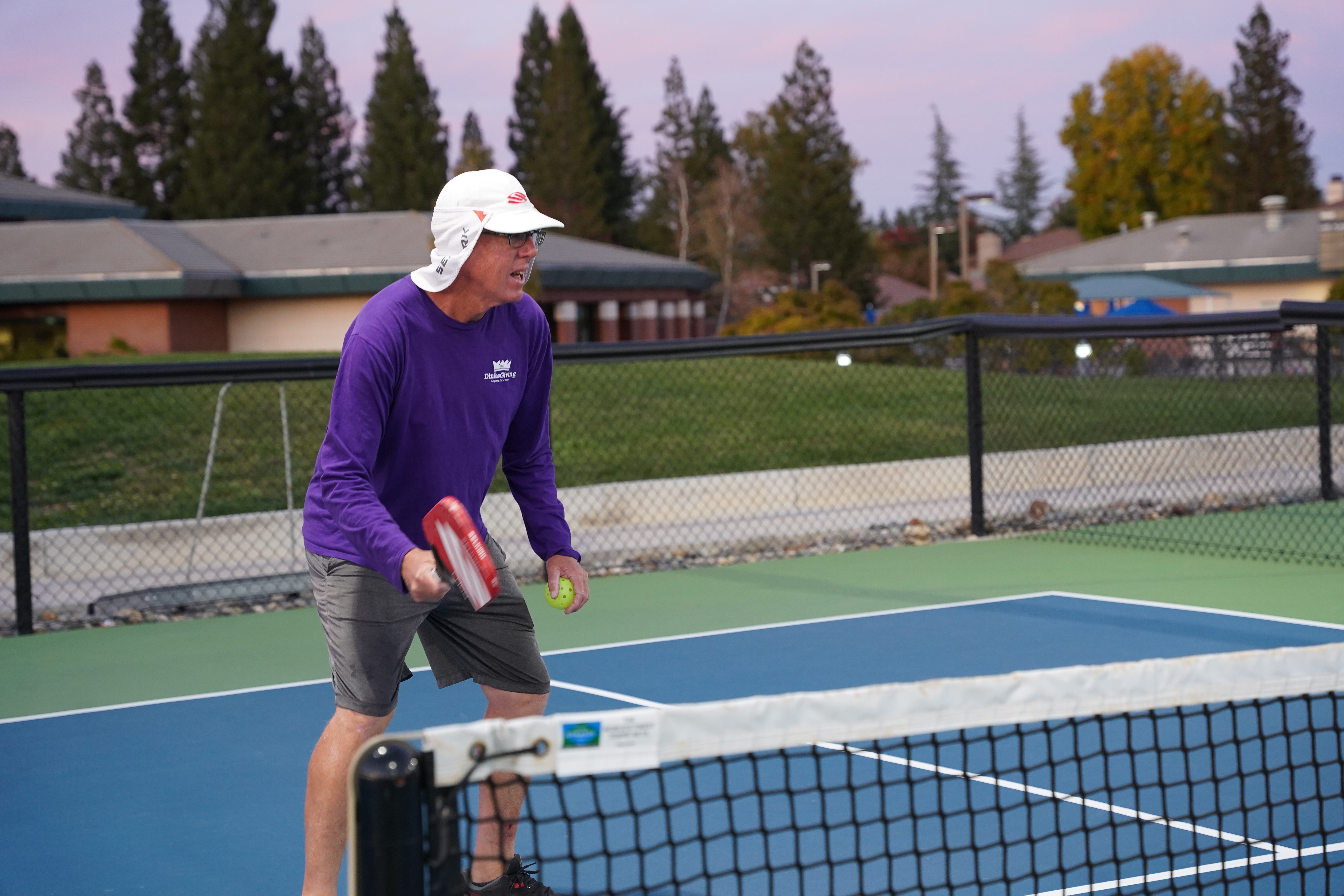
Like in Westminster, pickleball has proved to be a great community builder. “Typically, people change foursomes after every match,” said Doug Koch, a pickleball pro at the private Johnson Ranch Sports Club. “So, if [you] play for a couple hours you can end up teaming with dozens of different people. People often go out to lunch or dinner after, and they develop a pickleball family they like to hang out with.”
When Roseville put in its first pickleball courts in 2018, its target audience was seniors. Today, players are as likely to be adults of all ages playing recreationally or competing in tournaments. Teenagers and kids have joined the craze too. As a result, the city is now offering pickleball camps and clinics for kids.
“My son plays on his high school baseball team and he and his teammates are always meeting up at the court to play pickleball,” Nereson said. “The game builds camaraderie.”
Roseville even became a stop on the Association of Pickleball Players tour, televised on ESPN. This past spring, it hosted a tour stop at the Johnson Ranch Sports Club, drawing over a thousand players and filling many local hotels and restaurants over the weekend.
While it may seem like pickleball can’t get any more popular, Gee anticipates a new spurt of demand for more courts in four years, when it becomes an Olympic sport for the first time.
“Even now, we can’t build them fast enough!” she said. “When it does become an Olympic sport there will be another upsurge, so we want to be ready.”