Pomona’s housing toolbox: A holistic, long-term plan for housing construction
 Like many cities throughout the state, Pomona’s housing production has not kept pace with its population growth. In 1988,
the city had 37,000 homes for a population of almost 120,000. Since then, the city has added more than 30,000 residents, but only 3,000 homes.
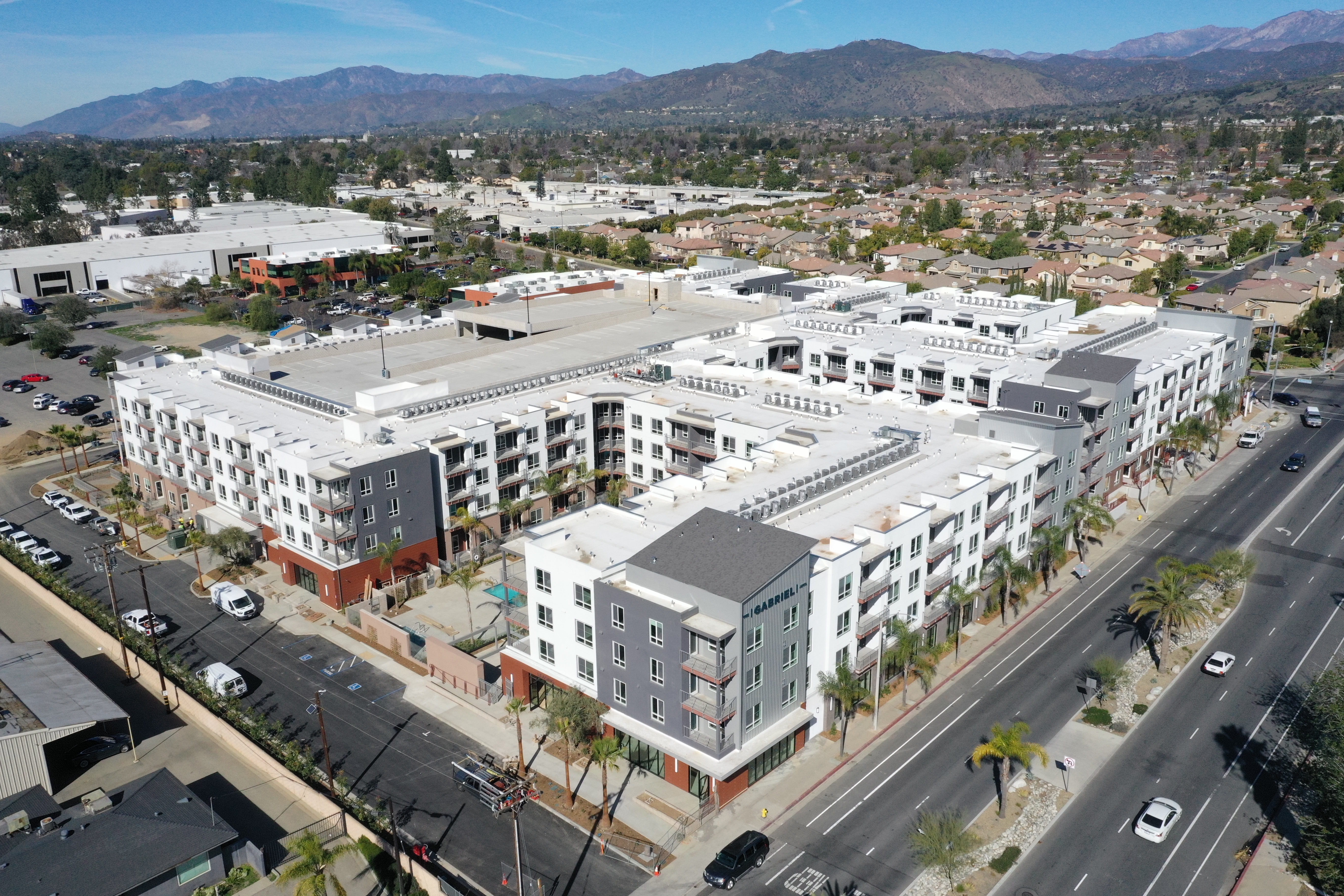
To address this shortfall, the city has adopted a series of holistic housing and land use policies aptly called “Pomona’s toolbox.” The tools help address ongoing housing issues — such as the high cost of homeownership or rent — as well as related issues, like racial inequity, accessibility, and transportation. When used together, these tools can boost production and ensure that housing is safe, affordable, and supports a higher quality of life for renters and homeowners.
Although many of the city’s most ambitious policies are still in their infancy, the effects can already be seen. Since 2018, the city has issued more than 1,200 residential building permits, with 2,500 more currently under review.
The first tool: understanding Pomona’s community framework
 To do this, the city had to study its unique housing needs and demographics to establish a community framework that guides policy development, prioritizes grant funding pursuits, focuses city resources, and ultimately shapes a robust housing strategy.
Pomona’s demographics differ from neighboring cities. According to U.S. Census data, Pomona’s households are increasingly female-led, unrelated, large, and multigenerational. Employment trends reveal a need for housing to support moderate-income households, or what is informally known as “the missing middle.”
Supporting this group is a central part of Pomona’s housing plans. The city aims to provide diverse housing options along a spectrum of affordability, including duplexes and small-lot developments.
For Pomona Mayor Tim Sandoval, it is not just about creating pathways to homeownership. It is also about ensuring that renters are supported beyond the short term. In Pomona, more than one in five renters earning less than 50% of area median income spends more than 30% of their income on housing. For one in seven in that same category, that cost rises to 50%.
“Our goal is to improve housing stability for all by providing a range of quality affordable housing, with an emphasis on creating places where our community members can thrive and remain for years to come without fear of being priced out, displaced, or evicted,” said Sandoval. “When the vast majority of one’s income is being used to secure shelter, other aspects of the household budget suffer and it becomes a vicious cycle to make ends meet, limiting upward mobility opportunities.”
More information about Pomona's holistic housing and land use policies, including inclusionary housing, grants, and other tools, is available in the March issue of Western City magazine.