
Traffic fatalities across the US rose in 2020 but not in Fremont. What did the city do differently?
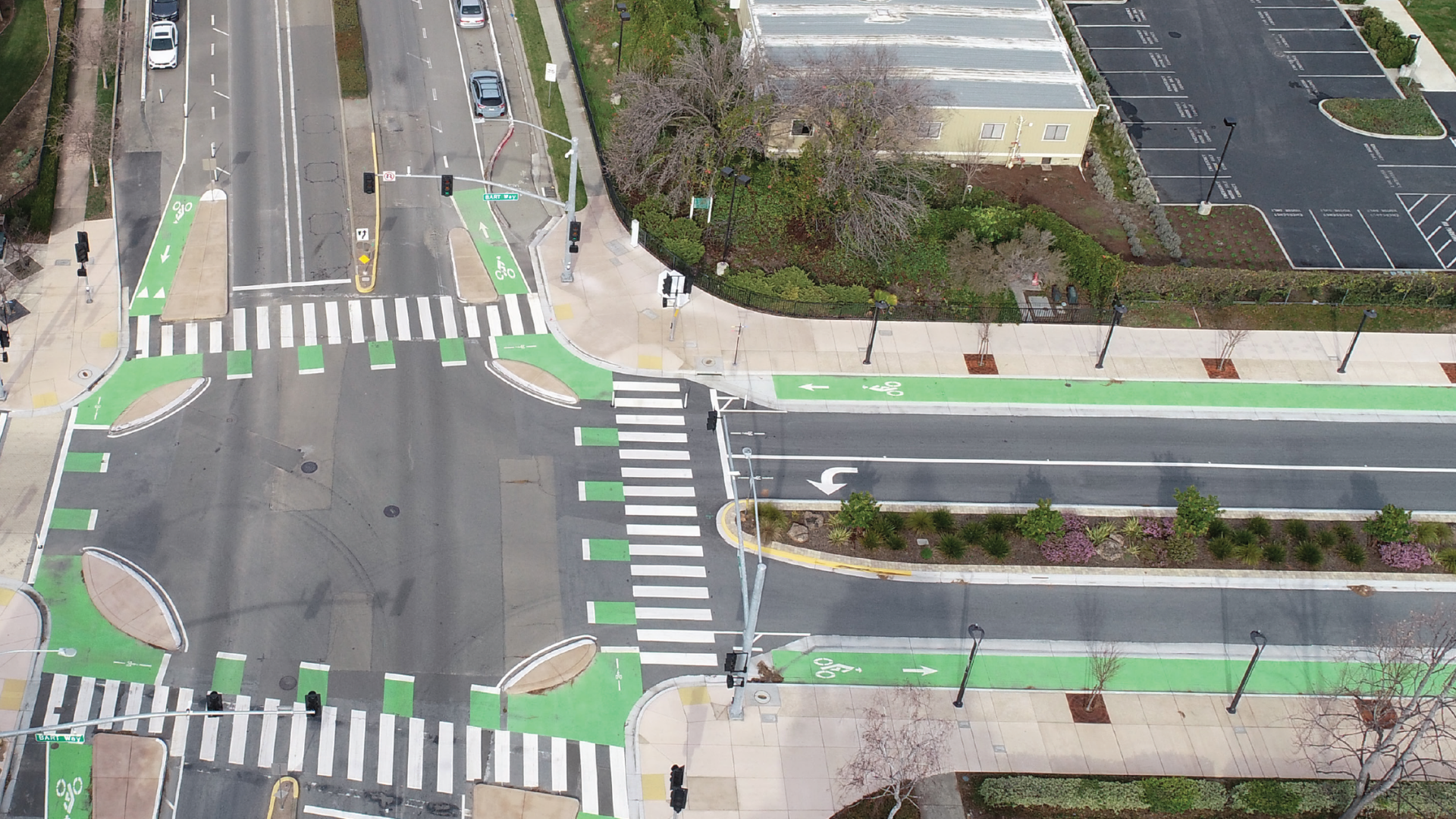
 In 2015, Fremont’s city council committed to a bold goal: Reduce traffic-related fatalities to zero. Even though the city was already a national leader in traffic safety, this new mindset forced officials to rethink their approach to traffic safety.
Known as Vision Zero, Fremont’s traffic safety plan focuses on integrating human error into transportation systems, instead of reducing it. Under Vision Zero, roads and streets are designed in such a way that when crashes occur, safer preventative measures ensure that most people walk away with only minor injuries.
Now five years into the project, the results speak for themselves. Fremont has an average fatality rate of 2.1 traffic deaths per 100,000 residents annually — significantly fewer than California and the U.S., where rates have risen to 9.1 and 11, respectively. Moreover, major crashes have decreased in Fremont by 45% since the program was adopted, something Public Works Director Hans Larsen is “extremely pleased with.”
Historically, Fremont’s streets looked like any other streets in the U.S. Notably, they were built with 12 to 14-foot travel lanes, a standard that promotes high speeds and is more appropriate for traveling down freeways. Similarly, 40 of its crosswalks were uncontrolled and located in multi-lane, high-speed roadways. Fremont also had to contend with a state highway system that cut through the city and an outdated street lighting system.
Low-cost improvements lay the groundwork for long-term change and funding
Today, many of its streets look different. The Fremont Public Works Department — which includes Transportation Engineering, Pavement Maintenance Program, and Street Maintenance — made extensive use of inexpensive, temporary, “quick-build” projects to improve safety for drivers, pedestrians, cyclists, and transit users alike in a relatively short period of time. The department also restriped 47% of the city’s arterial roadways, built protected intersections, upgraded dozens of crosswalks with short-term, reduced speeds in more than 50 street segments, converted its streetlights to use “white” LED lights, and decreased the number of lanes in several roadways.
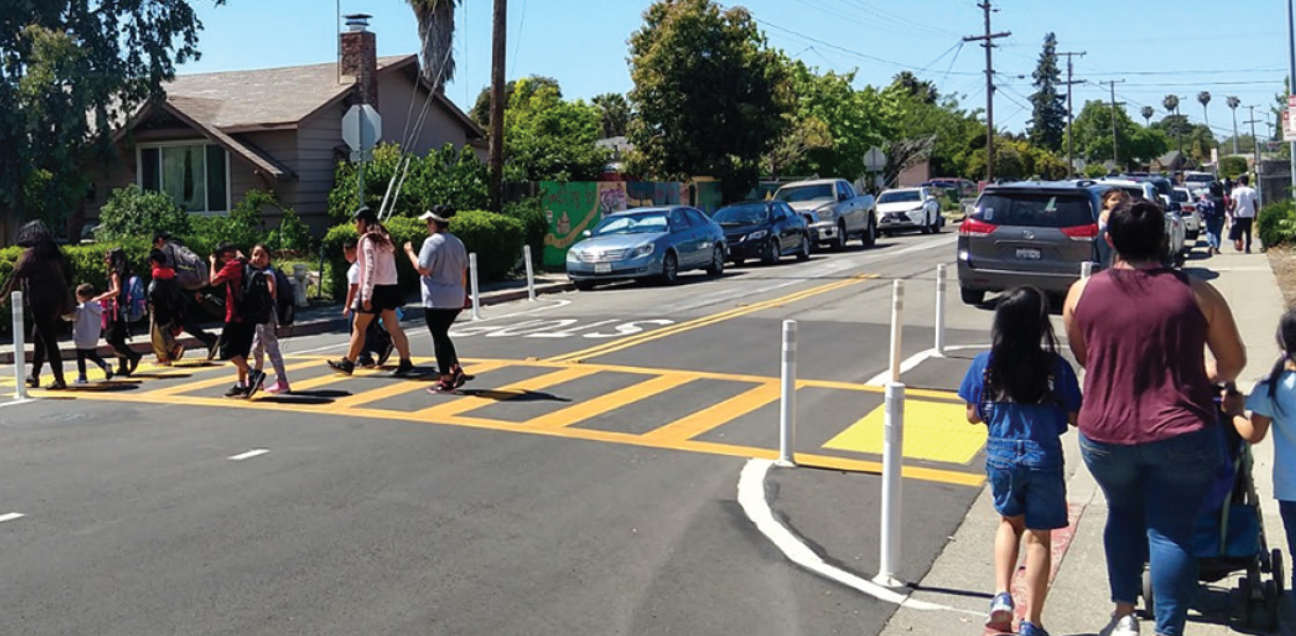
Many of these changes were made along school routes. From 2013 to 2015, Fremont saw nine major crashes involving individuals 15 years of age or younger. It had just one such crash from 2018 to 2020.
Initially, Fremont’s Vision Zero was achieved with zero new funding commitments or dedicated staff positions. Instead, existing resources were redirected from projects that did not serve the city’s new goals. Early projects also focused on the creative use of existing resources and low-cost improvements. The city was able to build on the success of those early years and attract grant funding for higher-cost projects, such as raised cycle tracks and protected intersections.
Fremont’s work to reduce traffic fatalities have also attracted national and regional recognition. The city received the 2021 “Transportation Safety Achievement” award from the National Institute of Transportation Engineers (ITE) organization and “Project of the Year” award from the Western ITE District.
“The city of Fremont continues to set the bar high and places our community’s safety as its highest priority,” stated Fremont Mayor Lily Mei. “I couldn’t be prouder of the efforts by our Public Works Department. As an early adopter of Vision Zero in the U.S., these recognitions are a testament to the forward thinking and innovative work our Transportation Engineering team has been dedicated to over the last five years.”
More information about Fremont's data-driven, communicative approach to traffic safety and its goals for the next five years is available in the October issue of Western City Magazine.
The Cal Cities #LocalWorks initiative shines the spotlight on examples of local actions that are making a difference to their communities. Show how #LocalWorks in your community by contacting communications@calcities.org.